 English
 العربية



Treatment of Acute Lymphoblastic Leukemia in Turkey
What is Acute Lymphoblastic Leukemia
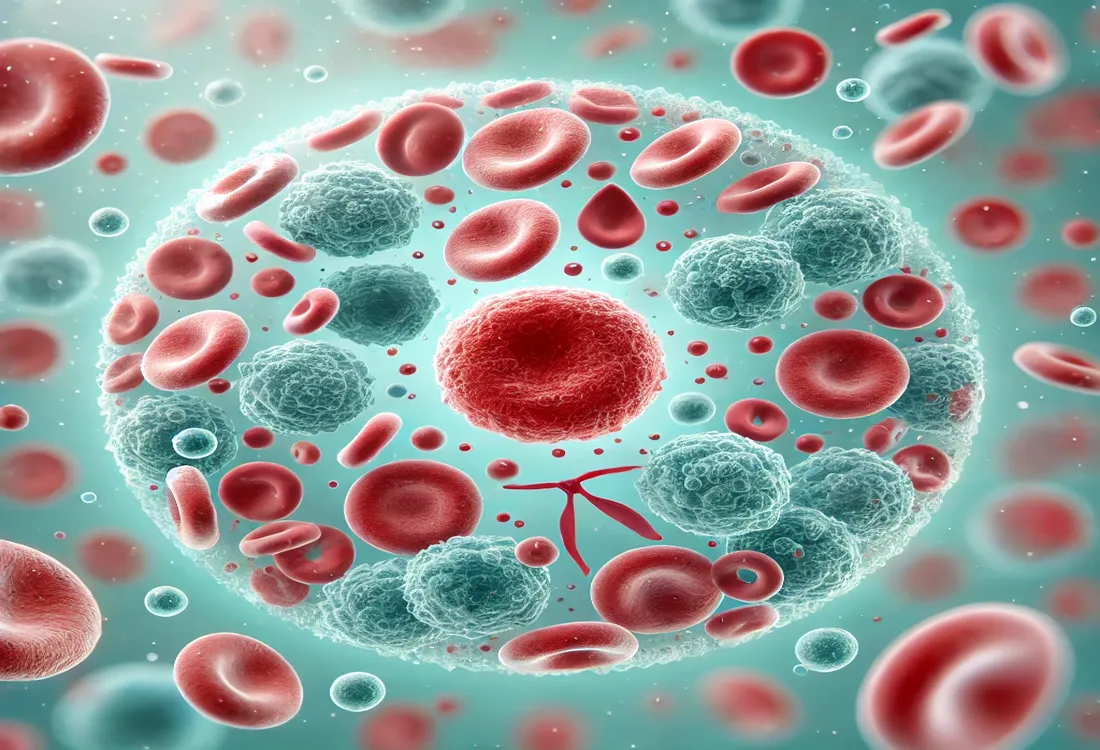
Acute Lymphoblastic Leukemia (ALL) is a type of cancer that affects the blood and bone marrow, the spongy tissue inside bones where blood cells are produced. The term "acute" refers to the rapid progression of the disease, which results in the production of immature blood cells rather than mature ones. The "lymphoblastic" part refers to the type of white blood cells called lymphocytes that are affected by the disease. This type of cancer is also known as acute lymphoblastic leukemia.
ALL is most common in children, with a good chance of recovery due to available treatments. While it can also occur in adults, the chances of successful treatment are significantly lower.
Symptoms of Acute Lymphoblastic Leukemia
Signs and symptoms of ALL may include:
- Gum bleeding
- Bone pain
- Fever
- Frequent infections
- Recurring or severe nosebleeds
- Lumps caused by swollen lymph nodes in the neck, armpit, abdomen, or groin
- Pale skin
- Shortness of breath
- Weakness, fatigue, or a general decrease in energy
Causes of Acute Lymphoblastic Leukemia
ALL occurs when a bone marrow cell undergoes changes in its genetic material (DNA). The DNA of a cell contains instructions that direct the cell on how to perform its functions, such as when to grow and when to die. In ALL, mutations cause bone marrow cells to continue growing and dividing uncontrollably.
As a result, the production of blood cells becomes unregulated, leading to an overproduction of immature blood cells called lymphoblasts. These abnormal cells cannot function properly, leading to their accumulation and putting pressure on healthy cells.
Risk Factors for Developing Acute Lymphoblastic Leukemia
- Previous cancer treatment: People who have undergone certain types of chemotherapy or radiation therapy for other cancers are at increased risk of developing ALL.
- Radiation exposure: Individuals exposed to very high levels of radiation, such as survivors of nuclear reactor accidents, may be more susceptible to the disease.
- Genetic disorders: Certain genetic disorders, such as Down syndrome, are associated with an increased risk of developing ALL.
The exact causes of the DNA mutations that lead to ALL are not fully understood, but these factors may contribute to the increased likelihood of developing the disease.
Diagnosis of Acute Lymphoblastic Leukemia in Turkey
Tests and procedures used to diagnose ALL may include:
- Blood tests: Blood tests can reveal abnormal levels of white blood cells, either increased or decreased, as well as a reduction in red blood cells and platelets. The blood test may also show a high number of immature cells, which may also be present in the bone marrow.
- Bone marrow examination: A bone marrow aspiration is performed using a needle to take a sample from the bone marrow in the hip or chest. The sample is sent to the lab for analysis to detect leukemia cells.
- Classification of blood cells: In the lab, blood cells are classified by their size, shape, and genetic and molecular characteristics. Doctors also look for specific changes in the cancer cells to determine if the leukemia cells originated from B or T lymphocytes, which helps in planning treatment.
- Imaging tests: Imaging tests such as X-rays, CT scans, or ultrasounds may be used to determine if the cancer has spread to the brain, spinal cord, or other parts of the body.
- Spinal fluid examination: A lumbar puncture, also known as a spinal tap, can be used to take a sample of the cerebrospinal fluid surrounding the brain and spinal cord. The sample is examined to check if cancer cells have spread to the cerebrospinal fluid.
Determining Prognosis
The doctor uses information from these tests and procedures to determine the prognosis and appropriate treatment options. While numerical stages are used in other types of cancer to indicate the extent of spread, ALL is not classified by stages. Instead, the severity of the condition is evaluated based on:
- The type of lymphocytes involved (B or T).
- Specific genetic changes in leukemia cells.
- Age.
- Laboratory test results, such as the number of white blood cells in a blood sample.
Treatment of Acute Lymphoblastic Leukemia in Turkey
The treatment of ALL involves specific stages, including:
- Induction therapy: The first phase of treatment aims to kill most leukemia cells in the blood and bone marrow, restoring the production of normal blood cells.
- Consolidation therapy: Also known as post-remission therapy, this phase aims to destroy any remaining leukemia cells in the body.
- Maintenance therapy: This phase prevents leukemia cells from growing again. Treatments are given at low doses over a long period, possibly lasting several years.
- CNS prophylactic therapy: Throughout all phases of treatment, patients may receive additional treatment to target leukemia cells in the central nervous system. This often includes injecting chemotherapy drugs directly into the fluid surrounding the spinal cord.
The typical treatment period for ALL usually ranges from two to three years.
Available Treatment Options
- Chemotherapy: Used to treat ALL, chemotherapy involves drugs that target cancer cells. It is used during the induction, consolidation, and maintenance phases of treatment.
- Targeted therapy: This type of treatment targets specific changes in cancer cells, which can lead to their destruction. Leukemia cells are tested to determine the effectiveness of targeted therapy.
- Radiation therapy: Uses high-energy beams, such as X-rays or protons, to kill cancer cells, especially if it has spread to the central nervous system.
- Bone marrow transplantation: Also known as a stem cell transplant, this is used as consolidation therapy or to treat relapse. This procedure replaces the affected bone marrow cells with healthy ones from a donor.
- Genetic modification of immune cells: Includes treatment with chimeric antigen receptor (CAR) T-cell therapy, where T-cells are modified to attack cancer cells and then re-injected into the body. This treatment is especially used for children and young adults.
- Clinical trials: Clinical trials offer opportunities to try new treatments. However, the benefits and risks of these treatments may be uncertain, so they should be discussed with your doctor.
Treatment of Older Adults
Older adults, especially those over 65, may face additional complications from treatment. They generally have a poorer prognosis compared to children. Treatment options should be discussed with the doctor based on overall health and personal goals. Some patients may choose not to undergo treatment and instead focus on improving symptoms and making the most of the remaining time.
Preparing for Acute Lymphoblastic Leukemia Treatment in Turkey
Given that medical appointments are often brief and involve a lot of information, it is important to be well-prepared. Here are some tips to help you prepare and know what to expect from your doctor:
What You Can Do:
- Follow your doctor's instructions: Be sure to follow any instructions given by your doctor before your appointment, such as dietary restrictions if necessary.
- Record symptoms: Note any symptoms you're experiencing, including those that may seem unrelated to the medical appointment.
- Gather personal information: Write down any information related to recent stressors or life changes.
- List medications: Prepare a list of all medications, vitamins, and supplements you are taking.
- Bring someone along: It may be helpful to bring a family member or friend to help take notes on information you might forget or miss.
Key Questions to Ask:
- What is the likely cause of these symptoms?
- Are there other possible causes for these symptoms?
- What tests are necessary to confirm the diagnosis?
- Is the condition temporary or chronic?
- What is the best course of action in this situation?
- What are the alternatives to the proposed treatment?
- How can other health conditions be managed alongside ALL?
- Are there any restrictions to follow?
- Are there alternatives to the proposed medication?
- What will determine the need for a follow-up visit?
What to Expect from Your Doctor
Your doctor is likely to ask you several questions, so be prepared to answer them to help you address the points you wish to discuss. Questions may include:
- When did the symptoms start?
- Are the symptoms constant or intermittent?
- How severe are the symptoms?
- What improves the symptoms, if anything?
- What worsens the symptoms, if anything?