 English
 العربية



Treatment of Peripheral Nerve Tumors in Turkey
What Are Peripheral Nerve Tumors
Peripheral nerve tumors are growths that develop in or near the nerves, which are part of the system that transmits signals from the brain to the rest of the body. Peripheral nerves control a wide range of essential functions, such as walking, moving the eyes, swallowing, and grasping objects.
These tumors can appear anywhere in the body and are often benign, meaning they are non-cancerous. However, in some cases, these tumors may cause pain, nerve damage, and a loss of functional ability in the affected area.
Treatment typically involves surgical intervention to remove the tumor. In cases where the tumor cannot be removed without damaging healthy tissue or surrounding nerves, other treatment options like radiation therapy or continuous monitoring may be considered.
There are several types of peripheral nerve tumors. Some grow within the nerves and are known as internal tumors, while external tumors press on the nerves from the outside.
Types of Peripheral Nerve Tumors:
- Fibrous tumors
- Benign peripheral nerve sheath tumors
- Neurofibromas
- Malignant peripheral nerve sheath tumors
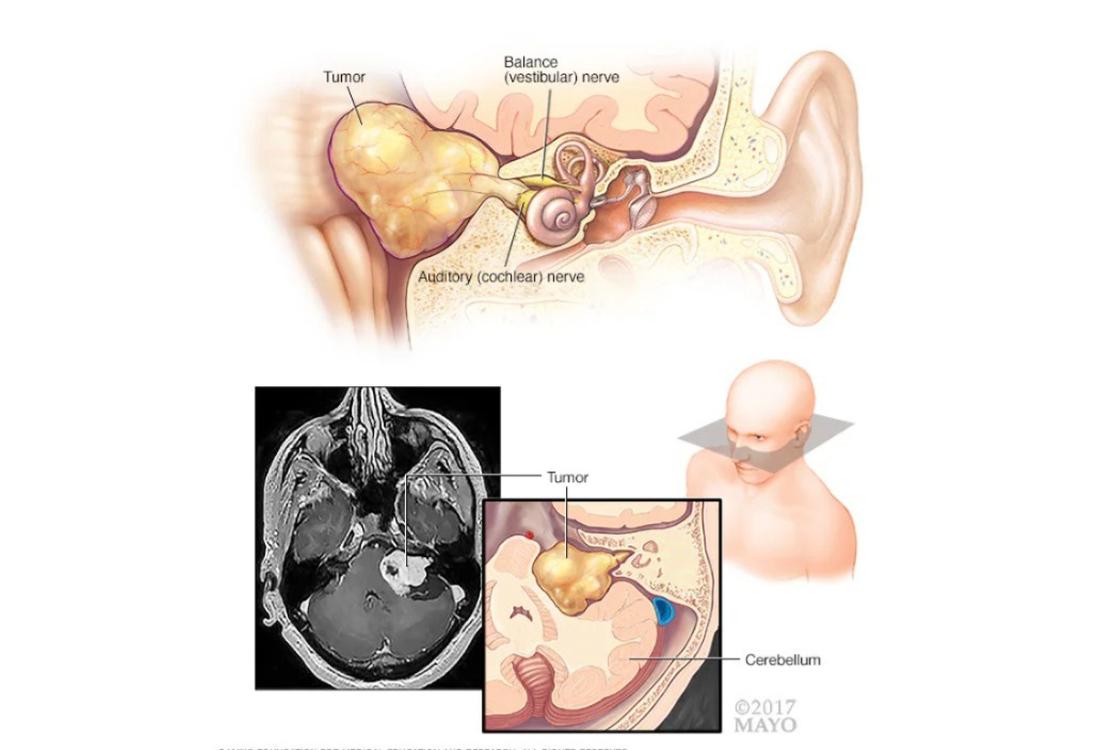
- Acoustic neuroma (vestibular schwannoma)
- Schwannoma
For example, a schwannoma may develop in the tibial nerve (leg nerve), which is a type of benign tumor that affects both nerves and muscles. More complex tumors, such as dumbbell-shaped tumors, may appear in the spine or abdomen, interfering with critical nerves in those areas. Acoustic neuroma, also known as vestibular schwannoma, is a benign tumor that grows on nerves responsible for hearing and balance, potentially causing hearing loss and balance problems due to nerve compression.
Symptoms of Peripheral Nerve Tumors
Symptoms of peripheral nerve tumors arise due to the direct effect of the tumor on the main nerve or because of the pressure the tumor exerts on surrounding nerves, blood vessels, or nearby tissues. In some cases, no symptoms may appear as the tumor grows, as the size of the tumor does not always determine its impact.
The symptoms of peripheral nerve tumors vary based on the location of the tumor and the type of tissue affected. Common symptoms include:
- Swelling or a lump under the skin: This may be the first sign of a tumor.
- Pain, tingling, or numbness: The tumor can cause discomfort in the affected area.
- Weakness or loss of function in the affected area: The tumor may limit movement or cause a loss of nerve functions.
- Dizziness or loss of balance: This occurs especially if the tumor affects nerves related to balance.
auses of Peripheral Nerve Tumors
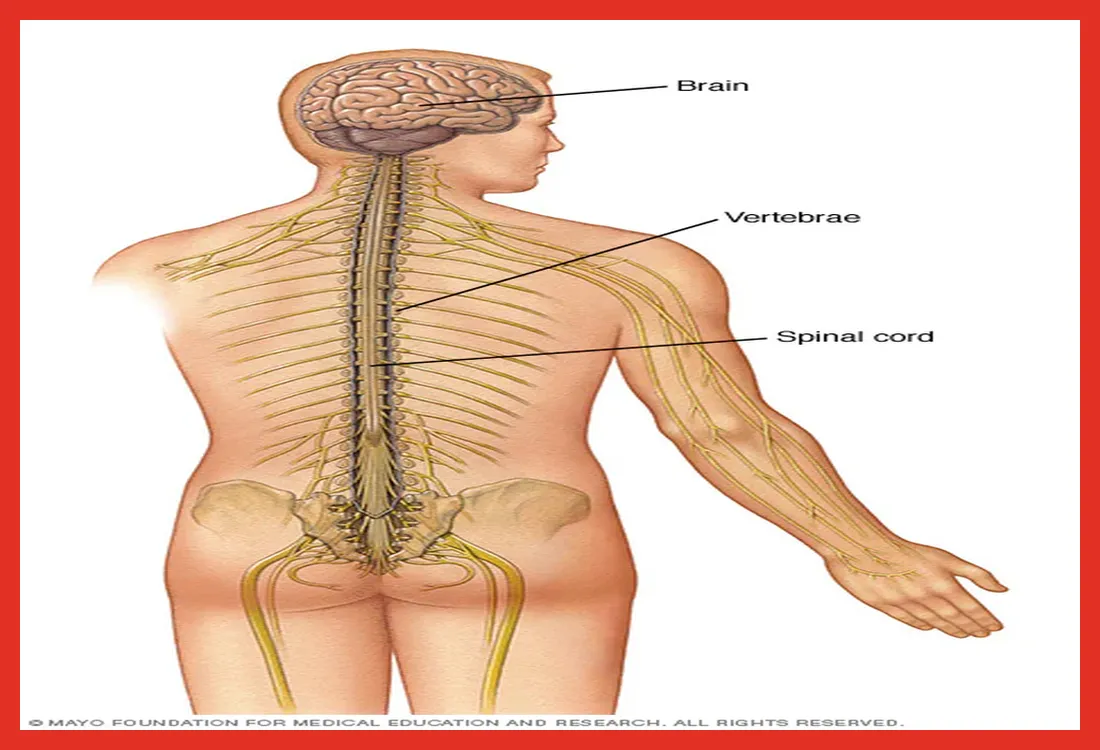
The causes of most types of peripheral nerve tumors are not entirely clear. However, some of these tumors are linked to specific genetic syndromes, such as neurofibromatosis types 1 and 2 and schwannomatosis. Additionally, some cases may result from genetic mutations that affect the growth of nerve cells.
Conditions with a Higher Risk of Developing Peripheral Nerve Tumors:
- Neurofibromatosis and Schwannomatosis: In these conditions, tumors form in or near the nerves in various parts of the body. These tumors are often multiple, leading to a range of symptoms depending on their location. Most of these tumors are benign.
- History of Radiation Therapy: If a person has undergone radiation therapy, the risk of developing peripheral nerve tumors may increase after several years.
Complications Resulting from Peripheral Nerve Tumors:
Peripheral nerve tumors can lead to complications due to pressure on nearby nerves, causing:
- Numbness and weakness in the affected area.
- Loss of functional ability in the impacted region.
- Balance issues.
- Pain.
Diagnosis of Peripheral Nerve Tumors in Turkey
To confirm the diagnosis of a peripheral nerve tumor, doctors in Turkey will ask about your symptoms and medical history. In addition, a physical and neurological examination is conducted to assess the condition of the nerves. The doctor may also need to perform several precise tests to identify the cause of the symptoms and accurately diagnose the tumor.
Diagnostic Tests for Peripheral Nerve Tumors:
- Magnetic Resonance Imaging (MRI): This test uses magnetic fields and radio waves to produce detailed 3D images of the nerves and surrounding tissues.
- Computed Tomography (CT) Scan: The scanner rotates around the body, capturing a series of successive images. These images are compiled by a computer to provide detailed information about the tumor.
- Electromyography (EMG): Small needles are inserted into the muscles to measure electrical activity during movement. This helps determine the extent to which the tumor is affecting the nerves.
- Nerve Conduction Study: This test is often used alongside EMG to measure the speed of electrical signals traveling through the nerves to the muscles.
- Tumor Biopsy: In some cases, it may be necessary to take a small sample of the tumor for examination under a microscope. This can be done under local or general anesthesia, depending on the location and size of the tumor. A biopsy may be the only way to determine if the tumor is cancerous.
- Nerve Biopsy: In certain conditions, such as worsening neuropathy or nerve enlargement, a sample of the nerve itself may need to be taken to identify the nature of the disease.
Treatment of Peripheral Nerve Tumors in Turkey
The treatment of peripheral nerve tumors in Turkey depends on several factors, such as the type of tumor, its location, the size of the affected nerves and tissues, and the symptoms the patient is experiencing. Treatment options include the following:
- Monitoring
Observation and monitoring may be appropriate if the tumor is small, slow-growing, and not causing bothersome symptoms. Periodic imaging tests such as MRI, CT scans, or ultrasound are performed every 6 to 12 months to check the tumor’s growth. If the tumor remains stable, the frequency of checkups can be reduced to once every few years.
- Surgery
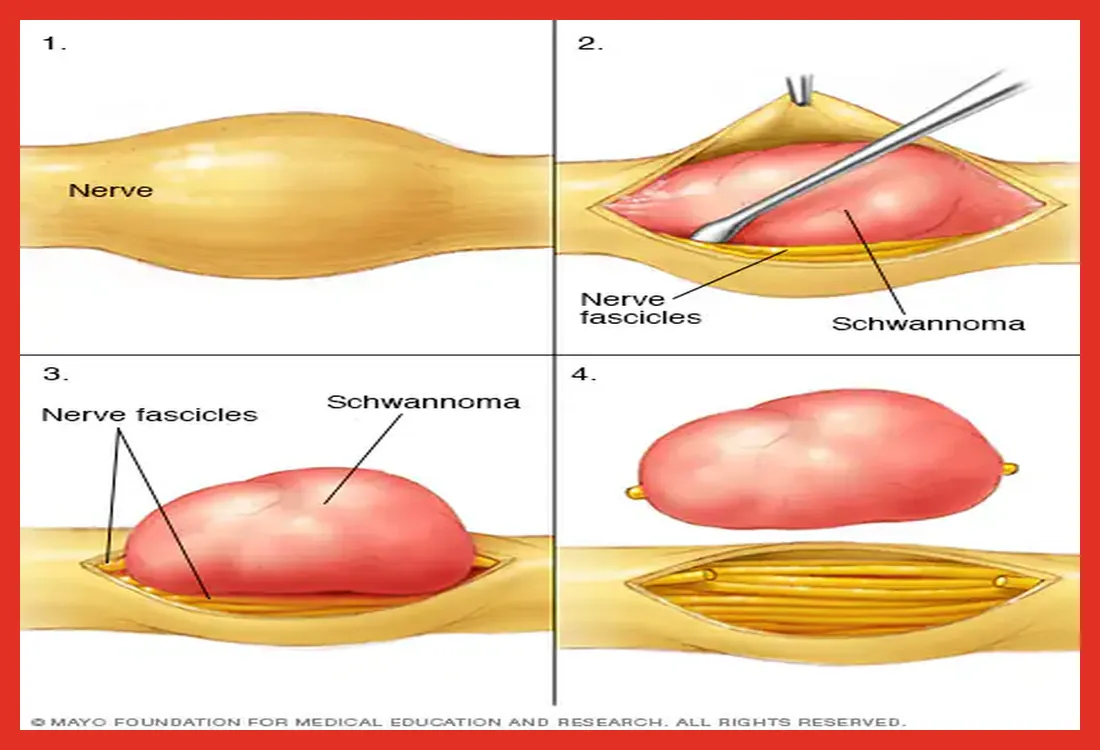
Surgery is commonly performed to remove the tumor entirely while ensuring that healthy adjacent nerves are not damaged. In some cases, it may not be possible to completely remove the tumor without harming healthy nerve tissues, in which case the surgeons will remove as much of the tumor as possible.
Example: Schwannoma Removal
In the case of schwannomas, the tumor is carefully removed while preserving the healthy nerve bundles. Advanced surgical tools and techniques, such as surgical microscopes, are used to help surgeons distinguish between the tumor and healthy tissues. During surgery, nerve functions are also monitored to ensure that healthy tissues are preserved.
Surgical Risks: The risks associated with surgery include nerve damage, disability, and the possibility of tumor recurrence, depending on the tumor's size, location, and the type of surgery used.
- Stereotactic Radiosurgery
Stereotactic radiosurgery, such as Gamma Knife surgery, involves directing a large number of small gamma rays to deliver a precise dose of radiation to the tumor without the need for an incision. This treatment is suitable for certain peripheral nerve tumors located in the brain or surrounding areas.
Risks of Radiosurgery:
- Weakness or numbness in the treated area.
- Continued tumor growth.
- In very rare cases, radiation may cause future cancers in the treated area.
- Cancer Treatment
For malignant tumors, standard cancer treatments such as surgery, chemotherapy, and radiation therapy are used. Early diagnosis and prompt treatment increase the chances of success and positive outcomes. However, regular monitoring is essential, as tumors can recur after treatment.
- Rehabilitation
After surgery, patients may require physical rehabilitation to regain lost functions. A brace or splint may be used to keep the affected limb in the correct position for healing. Physical therapists and occupational therapists help patients restore motor abilities and functions in limbs affected by nerve damage or amputation.
FAQs About Peripheral Nerve Tumor Treatment in Turkey
What is the treatment for peripheral nerve tumors? Treatment depends on the type, size, and location of the tumor. Options include surgery to remove the tumor, radiation therapy to shrink it, and chemotherapy in cancerous cases. In some cases, monitoring is used if the tumor is benign and slow-growing.
Are peripheral nerve tumors dangerous? Most peripheral nerve tumors are benign, but they can be dangerous if they press on nerves or surrounding tissues, leading to complications such as pain or nerve damage.
What are the symptoms of peripheral nerve tumors? Common symptoms include pain, tingling, numbness, muscle weakness, and loss of movement in the affected area.
Do peripheral nerve tumors cause pain? Yes, tumors can cause pain, especially if they press on nerves or nearby tissues.
What causes peripheral nerve tumors? They can be caused by genetic mutations or hereditary factors like neurofibromatosis. In some cases, the cause is unclear.
Are peripheral nerve tumors treatable? Yes, most cases are treatable with surgery or radiation. The success rate depends on the type, size, and location of the tumor.
How are peripheral nerve tumors diagnosed? Diagnosis methods include MRI, CT scans, and tumor biopsies to determine the tumor type.
Are peripheral nerve tumors cancerous? Most are benign, but in rare cases, they can be malignant (cancerous) and require more intensive treatment such as chemotherapy or radiation.
What is the success rate of treating peripheral nerve tumors? The success rate depends on the tumor's size, location, and type of treatment used. Surgery is usually effective for benign tumors.
How are peripheral nerve tumors removed? Tumors are removed through microsurgery, where healthy nerve tissues are preserved as much as possible to avoid permanent damage.
What is the cost of treating peripheral nerve tumors in Turkey? Costs depend on the hospital and treatment type (surgery, radiation, or chemotherapy). Turkey is known for offering high-quality care at competitive prices.
What are the risks of surgery to treat peripheral nerve tumors? Risks include nerve damage, muscle weakness, loss of movement in the affected area, and the possibility of the tumor regrowing.
Can peripheral nerve tumors recur after treatment? Yes, there is a possibility of recurrence, especially if the tumor was not entirely removed.
What is a schwannoma, and how is it treated? A schwannoma is a benign tumor that develops from nerve cells and is usually treated with surgery. Regular monitoring may be necessary in some cases.
Can peripheral nerve tumors be treated without surgery? In some cases, tumors can be monitored if they are small and not causing severe symptoms. Surgery is only considered if there are symptoms requiring intervention.
What role does radiation therapy play in treating peripheral nerve tumors? Radiation therapy is used in some cases to shrink the tumor or control its growth, particularly when surgery is not possible.
What are the modern surgical techniques for treating nerve tumors? Modern techniques include microsurgery and stereotactic radiosurgery using tools like Gamma Knife, which allows for precise tumor removal while preserving healthy nerves.
Can peripheral nerve tumors be hereditary? Yes, some tumors like neurofibromas can be inherited.
What is neurofibromatosis, and how does it affect nerves? Neurofibromatosis is a genetic disorder that causes non-cancerous tumors to grow on nerves, leading to neurological problems.
How long is the recovery after treating peripheral nerve tumors? Recovery depends on the tumor's size, location, and type of surgery. It can take weeks to several months.
Is there rehabilitation after nerve tumor surgery? Yes, physical therapy and rehabilitation are often needed to restore movement and strength in the affected area after surgery.
Are there medications to treat peripheral nerve tumors? Medications can be used to alleviate pain or control symptoms, but they are not a direct treatment for tumors.
Does chemotherapy affect peripheral nerve tumors? Chemotherapy is only used for malignant tumors and is part of a comprehensive treatment plan.
What is the best hospital for treating peripheral nerve tumors in Turkey? Several specialized hospitals in Turkey, such as Acibadem and Medical Park, offer advanced care for treating peripheral nerve tumors.
Do nerve tumors affect movement and functionality? Yes, if the tumor affects motor nerves, it can lead to weakness or loss of function in the affected area.
Advantages of Treating Peripheral Nerve Tumors in Turkey
Treatment of peripheral nerve tumors in Turkey offers numerous advantages that have made the country a preferred destination for international patients seeking top-quality medical care. Here are the key benefits:
-
Advanced Medical Technologies Turkey utilizes the latest medical technologies, including microsurgery and stereotactic radiosurgery with Gamma Knife, to treat peripheral nerve tumors. These cutting-edge techniques help achieve effective results and minimize surgical risks while preserving healthy nerves.
-
Specialized Surgeons Turkey boasts some of the best neurosurgeons with extensive experience in treating peripheral nerve tumors. These specialists use precise techniques and modern tools to protect the nerves and prevent complications.
-
Affordable Treatment Costs Turkey is one of the leading destinations for high-quality medical treatments at affordable costs compared to European and American countries. Patients seek healthcare in Turkey for its top-quality services and competitive pricing.
-
Comprehensive Medical Services Turkish hospitals provide comprehensive services, from diagnosis to treatment, including rehabilitation and physical therapy after surgery. The medical care is highly efficient, ensuring patients recover their full neurological and motor functions.
-
Care for International Patients Turkish hospitals offer dedicated services for international patients, including medical coordination, translation services, and assistance with travel and accommodation arrangements. This makes Turkey a comfortable and safe destination for patients coming from abroad.
-
Globally Accredited Hospitals Many hospitals in Turkey are accredited by the Joint Commission International (JCI), ensuring that patients receive care according to global standards.