 English
 العربية



Orthodontics in Turkey
Orthodontics is a widely used medical procedure for various therapeutic and cosmetic purposes, being the optimal choice for cases of irregular or protruding teeth in general.
Thus, we can confirm that orthodontic treatment contributes effectively and directly to improving the external appearance of teeth, thereby providing the individual with an attractive and self-confident appearance. Additionally, it helps avoid many dental health issues, such as tooth decay, gum inflammation, or root infections, which may arise due to the accumulation of food particles in the inter-dental spaces resulting from improper alignment.
What is orthodontic treatment in Turkey?
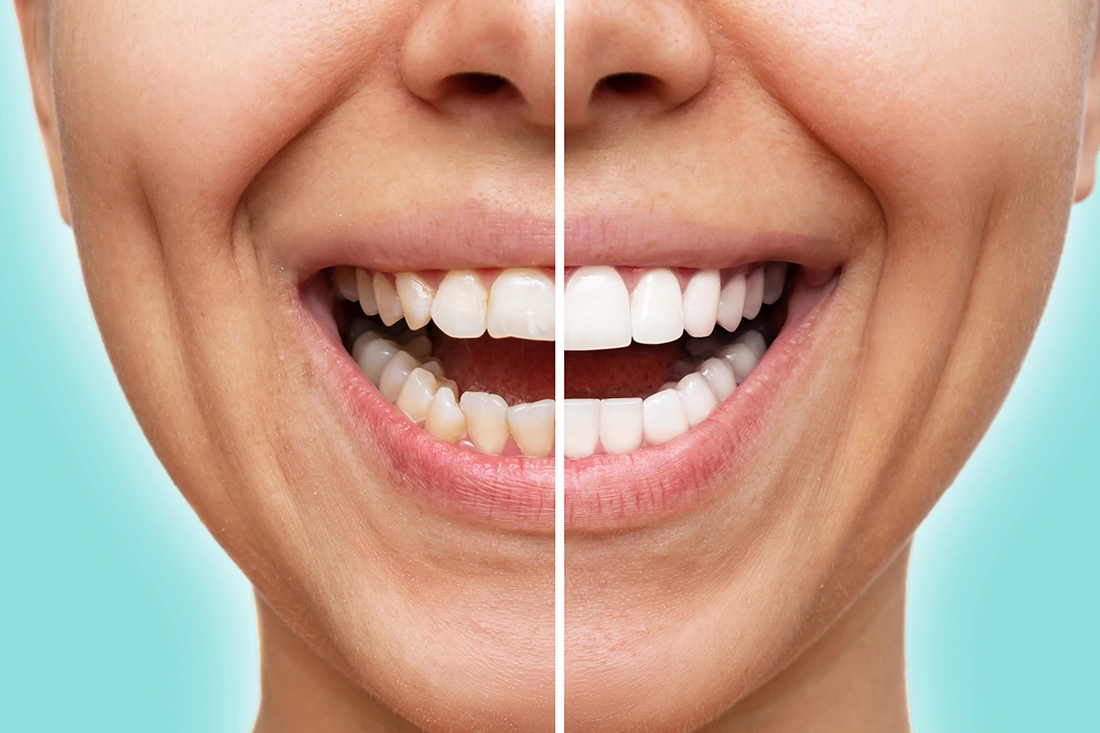
Orthodontic treatment in Turkey is a non-surgical cosmetic procedure used to correct dental defects characterized by improper alignment or inadequate occlusion of the upper and lower jaws. This treatment involves using braces and retainers specifically designed for this purpose, which are applied around the teeth that need correction to restore them to a naturally acceptable and attractive position.
Indications for orthodontic treatment in Turkey
Orthodontic treatment in Turkey is the ideal therapeutic and cosmetic option for the following cases:
- Irregular teeth or one or more teeth protruding from their natural alignment.
- Improper occlusion of the upper and lower teeth.
- Presence of gaps between teeth.
- It is a fundamental procedure for cases where one jaw (upper or lower) protrudes excessively over the other, as well as in cases of abnormal growth of the bone tissues forming the upper or lower jaw or both.
Types of orthodontics in Turkey
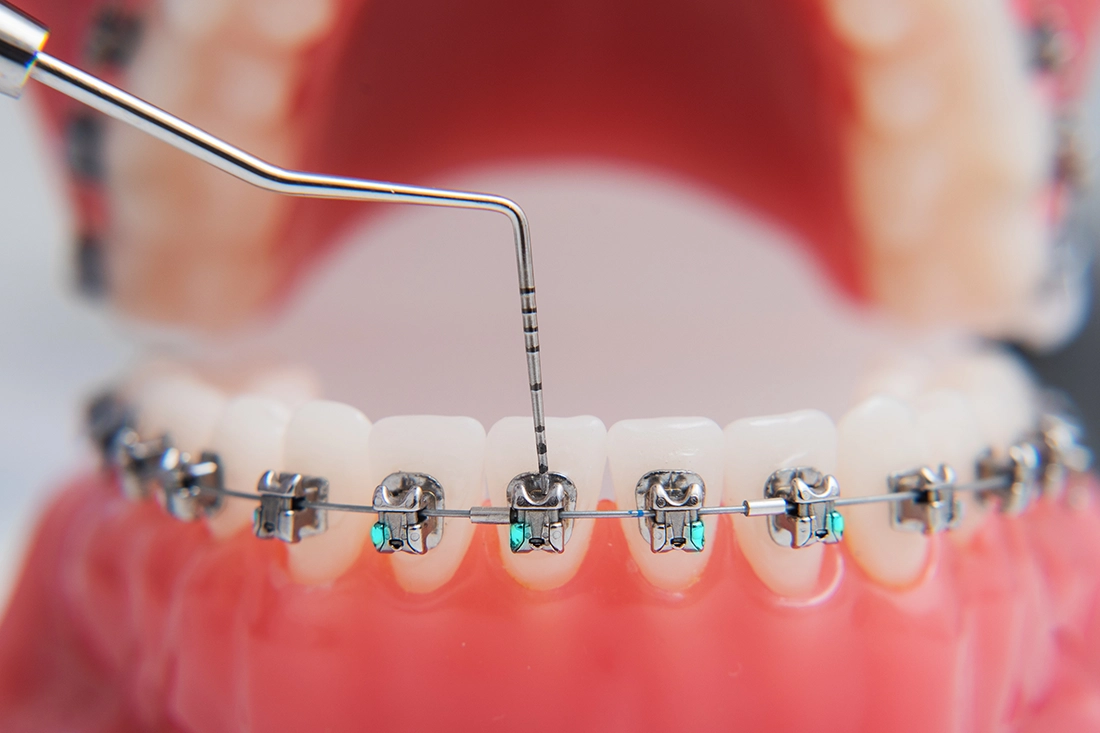
There are several types of orthodontic devices and appliances, each with different features and criteria. The treating dentist selects among them based on various factors, such as the patient's age, dental condition, and budget. Generally, the main types of orthodontic devices include:
- Clear Plastic Braces: Made to fit the shape of the patient’s mouth, suitable for mild cases. Not ideal for children due to ease of removal.
- Metal Braces: Made of rust-resistant metal brackets, these are the most common due to their effective results and cost efficiency. They can be challenging to clean and may cause food particles to accumulate, increasing the risk of tooth decay and gum inflammation.
- Ceramic Braces: A development of metal braces, made from porcelain with a more aesthetic appearance. However, they are more prone to breakage due to their relative fragility.
- Removable Braces: Often used for children and young people after the main treatment, to maintain the new tooth position.
- Lingual Braces: Applied to the inner surface of the teeth, used to correct crowded teeth or bone growth issues. Requires space, often achieved by extracting a tooth or molar.
Steps involved in orthodontic treatment in Turkey
The process of orthodontic treatment in Turkey typically involves the following steps:
- Initial Examination: The patient undergoes a thorough examination to ensure there are no contraindications (such as tooth decay or gum disease) and to assess the condition and alignment of the teeth.
- Diagnostic Imaging: X-rays are taken to evaluate the roots of the teeth and the bone structure of the jaws, which are essential for planning the appropriate treatment and selecting the best orthodontic devices.
- Discussion: The patient discusses the orthodontic treatment with the dentist to understand the procedure and expected outcomes.
- Installation of Braces: Braces are affixed to the teeth using a specialized adhesive, and metal wires are used to connect the brackets for additional support.
- Regular Follow-ups: Regular visits to the dentist are necessary to monitor progress and make adjustments as needed until the desired result is achieved.
Risks and Side Effects of Orthodontics
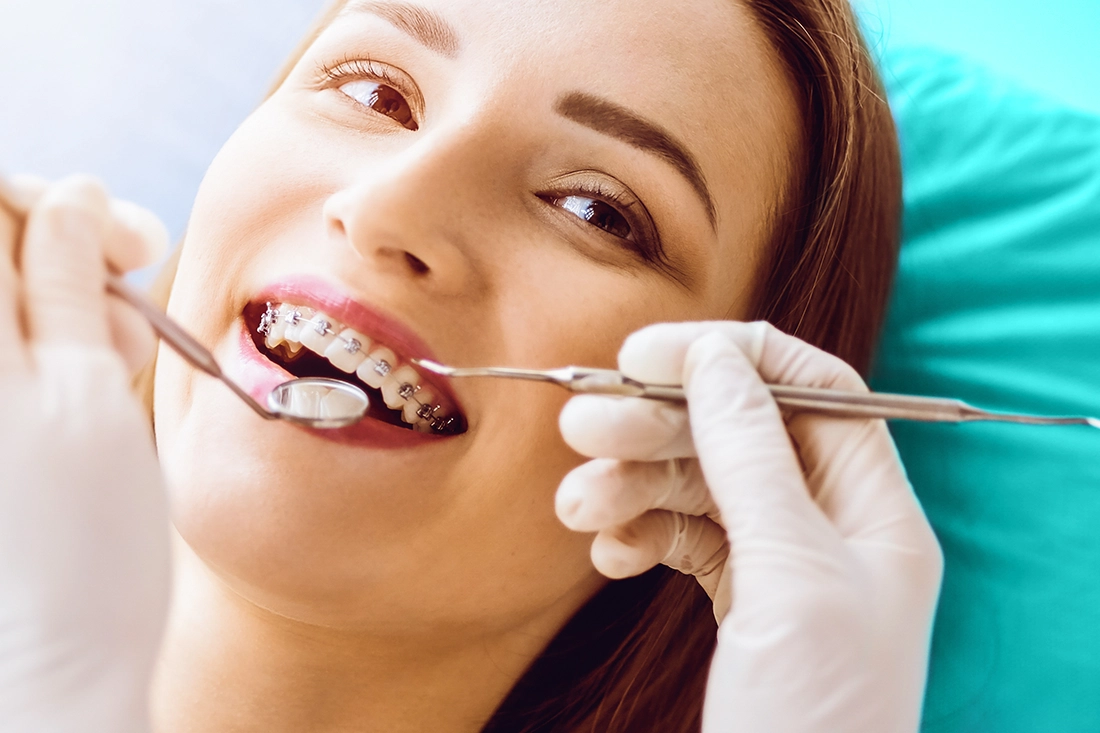
Is orthodontic treatment in Turkey associated with any pain or side effects?
Orthodontic treatment in Turkey is generally safe. Installing braces does not usually cause pain, but some discomfort or mild pain may occur in the initial days following the placement of braces. This pain typically subsides within days or weeks. Over-the-counter pain relievers can help alleviate the discomfort.
Possible Minor Side Effects:
- Jaw Pain: A temporary side effect that resolves over time.
- Mouth Irritations: Temporary discomfort from contact with braces and wires.
- Tooth Decay: Can result from food particles accumulating around braces; proper cleaning can prevent this.
- Tooth Wear: Often due to excessive pressure from braces; skilled orthodontic care helps minimize this.
How to Maintain Orthodontics?
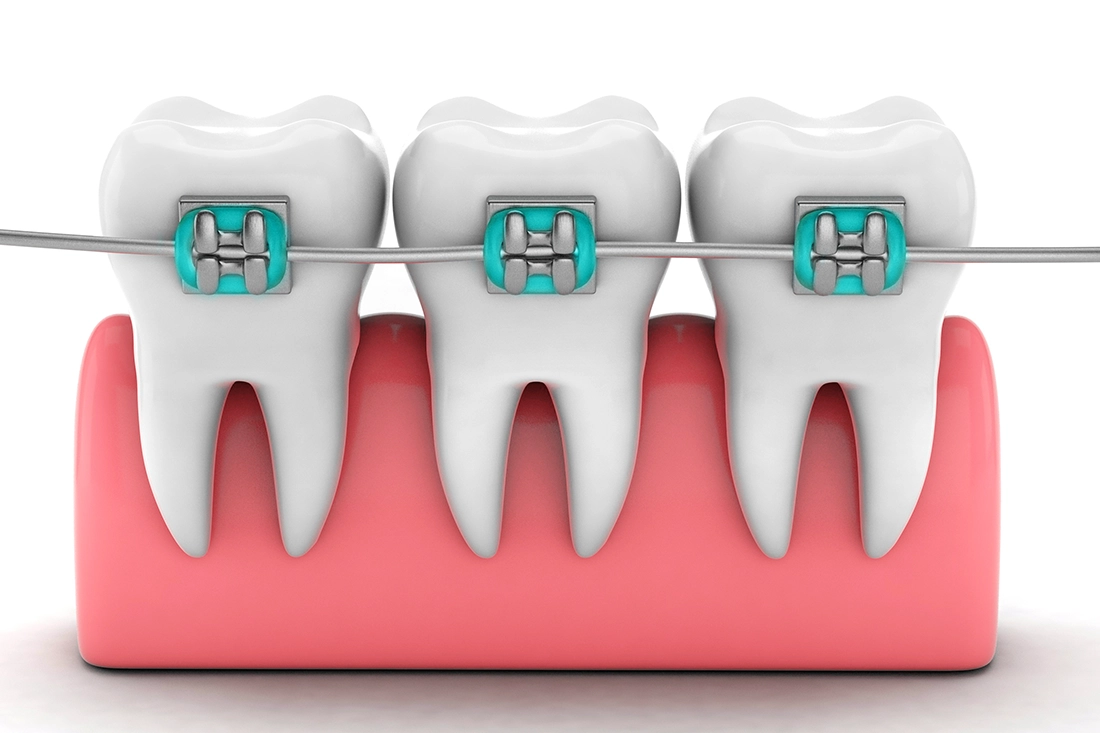
Maintaining orthodontic devices is crucial for achieving optimal results. Key maintenance tips include:
- Regular Cleaning: Brush teeth regularly after meals and before bed with a brush designed for braces, and replace it every 4-6 months.
- Use Mouthwash: To prevent fungal or bacterial infections, and rinse with saltwater as needed.
- Stay Hydrated: Drink plenty of water to avoid dry mouth, which can increase the risk of decay.
- Avoid Certain Foods: Steer clear of hard or sticky foods that can damage braces or complicate cleaning.
Important Notes about Orthodontics in Turkey
- Optimal Age for Treatment: Best results are typically achieved between ages 7-14, when teeth and jaw growth are still developing.
- Advanced Cases: Severe cases may not respond to orthodontics alone and might require surgical intervention.
- Post-Treatment Care: After braces are removed, whitening treatments may be needed to address adhesive residues or discoloration from metal wires.
Cost of Orthodontic Treatment in Turkey
Orthodontic treatment in Turkey is cost-effective compared to Europe and the USA, with high-quality results. The cost depends on factors such as:
- Type of braces used.
- The condition of the teeth and number of teeth being treated.
- Number of sessions required.
- Preliminary procedures needed before orthodontics.
- Experience and skill of the orthodontist.
- Medical facility standards.
Advantages of Orthodontic Treatment in Turkey
Orthodontic treatment in Turkey is characterized by relatively affordable costs compared to many European countries and the United States, while maintaining high standards of care through modern technologies and experienced orthodontic specialists. This combination contributes to achieving effective functional and aesthetic results with long-term benefits.
Overall, Turkey is considered one of the leading destinations for orthodontic treatments due to its competitive pricing and high-quality dental services. However, the final cost varies depending on the patient’s condition, treatment plan, and the type of orthodontic appliance used.
The following prices are approximate and may vary from one case to another based on the dentist’s evaluation and the medical clinic:
- Metal braces: 800 to 1,300 USD
- Ceramic braces: 1,500 to 2,000 USD
- Clear aligners (Invisalign): 2,500 to 5,000 USD
- Lingual braces (internal braces): 2,500 to 4,000 USD
The total cost of orthodontic treatment in Turkey may also vary depending on several medical and technical factors, including:
- The type of orthodontic appliance used
- The severity and complexity of the dental condition
- The number of teeth requiring orthodontic correction
- Pre-treatment procedures such as cavity treatment, gum disease management, or dental cleaning
- Duration of treatment and number of follow-up visits
- The experience and expertise of the orthodontist
- The level of technology and equipment used in the dental clinic or hospital
It is important to note that the final treatment cost is usually determined after a clinical examination and radiographic assessment, where a personalized treatment plan is designed for each patient to ensure the best possible outcome.